
"coffee bean export"
20000 article(s) found

Introduction to the production area of Ethiopian Coffee Flavor Manor which is divided into washing treatment
Due to different processing methods, coffee can be divided into washed coffee (Washed coffee) and sun-cured coffee (Sun-dried coffee). Washed coffee accounts for 35% of exports. Good quality washed coffee is processed with freshly picked fully ripe fruit, picked carefully and closely monitored by professionals. The clean coffee beans picked up will be pulped on the day of picking.

A brief introduction to the cultivation of fine coffee beans in Ethiopia, geographical location, climate and altitude
The natural characteristics of Ethiopian coffee beans include large

Introduction to the Origin of Ethiopian Coffee by introducing the Flavor and Taste characteristics of Ethiopian Coffee Manor
Due to different processing methods, coffee can be divided into washed coffee (Washed coffee) and sun-cured coffee (Sun-dried coffee). Washed coffee accounts for 35% of exports. Good quality washed coffee is processed with freshly picked fully ripe fruit, picked carefully and closely monitored by professionals. The clean coffee beans picked up will be pulped on the day of picking.
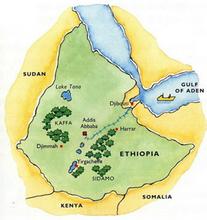
Introduction to Boutique Coffee Estate; Details of Ethiopian coffee beans (mocha)
Ethiopia (Ethiopia) is one of the major producers of Arabica coffee beans in Africa and produces the best Arabica mocha beans in the world. It is said that coffee beans were first discovered by shepherds in the Kafa region of Ethiopia, and the name of coffee evolved from Kafa, so Ethiopia is still the hometown of coffee. Production and processing of coffee beans Ethiopia
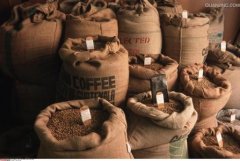
A brief introduction to the treatment method of grinding degree and baking degree of Yega Snow Fine Coffee beans in Ethiopia
Ethiopian people are addicted to coffee. In 2003, domestic consumption accounted for 42.3% of the total output, with a per capita consumption of 3 kg. But more than half of the coffee produced each year is used for export to earn foreign exchange. The main exporters include the United States, Italy, the United Kingdom, Sweden, Norway, Greece, France, Belgium, Germany and Australia. Before 1974, the right to produce, process and trade coffee

The relationship between Kenyan coffee and Arabica coffee beans
In Ethiopia, the grading and quality control system of coffee is divided into three levels: producer, regional and national. All coffee is inspected by local inspection agencies before leaving the country of origin, and then re-tested at the coffee inspection and grading centers in Addis and Diredawa to determine its quality grade. Coffee is graded before auction and sale, for all involved in production, acquisition,

Vietnam's coffee exports are on the rise.
According to Japanese media reports, the production of Robasta coffee beans used to make instant coffee in Vietnam ranks first in the world, and the export volume is increasing. On the other hand, it also gives rise to problems such as farmers' difficulties in shipping, export companies purchasing foreign-made coffee beans, handling orders and so on. The Vietnam Investment Review, a local economic newspaper, reported the incident. According to statistics from Vietnam's Ministry of Agricultural Local Development, Drogba

Characteristics and Story of Export Coffee with Fair Trade Certification of characteristic Coffee Brand Cooperative in Rwanda
RWASHOSCCO Rwanda Little holder Specialty Coffee is a farmer-owned company focusing on the marketing, export and roasting of the best quality coffee beans in Rwanda. RWASHOSCCO is a farmer-owned marketing, export and baking company. RWASHOSCCO was founded in 2005, when the PEARL/USAID project was coming to an end. The idea comes from Timothy Schilling.

Vietnam's coffee exports continue to increase
According to Japanese media reports, Vietnam ranks first in the world in the production of Robasta coffee beans used to make instant coffee, and exports are increasing. On the other hand, there are also problems such as difficulties in delivering goods to farmers and problems in purchasing coffee beans from foreign countries and processing orders for export companies. Local economic newspapers such as Vietnam Investment Review reported the incident. According to statistics from Vietnam's Ministry of Agriculture and Local Development, Lobar

The export of Pu'er coffee beans hit a record high in the first half of the year.
Since last year, the Pu'er entry-exit Inspection and Quarantine Bureau has further strengthened its daily supervision in the light of the international market and the quality of coffee bean exports in the past, bringing all coffee export enterprises into the scope of supervision, and inspection and quarantine cadres go to enterprises regularly to help enterprises establish a quality management system. From planting, management, picking, processing, warehousing to packaging all operate in strict accordance with the relevant control system

Introduction of Ethiopian Coffee Bean varieties in Ethiopian Coffee Flavor Manor
In Ethiopia, the grading and quality control system of coffee is divided into three levels: producer, regional and national. All coffee is inspected by local inspection agencies before leaving the country of origin, and then re-tested at the coffee inspection and grading centers in Addis and Diredawa to determine its quality grade. Coffee is graded before auction and sale, for all involved in production, acquisition,

Ethiopian coffee bean producing area of Ethiopian coffee bean flavor manor
Coffee is Ethiopia's most important export cash crop and the main source of Ethiopia's foreign exchange earnings. Ethiopia's coffee exports account for about 3% of the world market, making it the eighth largest coffee exporter in the world. Coffee exports increased steadily from 58000 tons in 1990 to 110000 tons in 1995-1996 and remained at this level in the following years. 2001-2002

West Damomo Lion King Coffee Bean Flavor Description Processing Variety Characteristics Introduction to the region
Before 1974, the production, processing and trade of coffee were in private hands. Private farms were nationalized and smallholder coffee producers neglected during the military regime. In 1991, the Transitional Government of Ethiopia enacted a new economic policy to encourage private coffee exports. result,

Introduction to the characteristics and Origin of Fine Coffee beans in Colombia
Colombian coffee farmers can sell all their products to the Coffee Management Association at an official low price, or to exporters, who may offer a higher price or no bid at all. In fact, the Coffee Management Association (FNC) controls exports to Europe, while coffee to the United States is mainly exported through private exporters. However, all exports are subject to restrictions

Characteristics of grinding degree of Ethiopian coffee introduction of high-quality coffee beans
Coffee is Ethiopia's most important export cash crop and the main source of Ethiopia's foreign exchange earnings. Ethiopia's coffee exports account for about 3% of the world market, making it the eighth largest coffee exporter in the world. Coffee exports increased steadily from 58000 tons in 1990 to 110000 tons in 1995-1996 and remained at this level in the following years. 2001-2002

Brazil's coffee exports soar in the new season global coffee exports increased by 3.7% compared with the same period last year.
Professional coffee knowledge exchange more coffee bean information follow coffee workshop (Wechat official account cafe_style) International Coffee Organization (ICO) said on February 24th that the global coffee export volume of 10.21 million bags (60 kg / bag) in January 2021 decreased by 3.6% compared with 10.59 million bags in the same period. However, the total export volume of 4188 bags in the first four months of the 21st quarter (October of each year to September of the following year) is the same as that of the same as that of the same.

Ethiopian Coffee Bean Grades Flavors Introduction
In Ethiopia, coffee classification and quality control systems are divided into producer, regional and national levels. All coffees are inspected by local inspection agencies before they leave the country of origin, and then re-inspected at coffee inspection and grading centres in Addis and Diredova to determine their quality grade. Coffee is graded prior to auction and sale, and all participants in production,

Introduction to the varieties of coffee beans produced by grinding scale in Ethiopia
In Ethiopia, the grading and quality control system of coffee is divided into three levels: producer, regional and national. All coffee is inspected by local inspection agencies before leaving the country of origin, and then re-tested at the coffee inspection and grading centers in Addis and Diredawa to determine its quality grade. Coffee is graded before auction and sale, for all involved in production, acquisition,

A brief introduction to the flavor, taste and aroma characteristics of Yega snow coffee coffee beans in Ethiopia
Ethiopia (Ethiopia) is one of the major producers of Arab coffee beans in Africa, producing the best Arab mocha beans in the world. It is said that coffee beans were first discovered by shepherds in the Kafa region of Ethiopia, and the name of coffee evolved from Kafa, so Ethiopia is still the hometown of coffee. Production and processing of coffee beans in Ethiopia
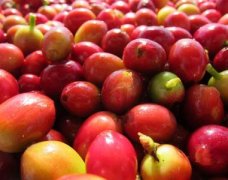
Ethiopia producing area yejia snow coffee fine coffee bean varieties planting market price profile
The world-famous Ethiopian coffee mainly includes: 1. Limu coffee grows between 1400 meters and 2000 meters above sea level. washed coffee. Excellent quality, with intense nutty aromas, moderate acidity and wine intensity. Annual production of 29,000 tons. Gima coffee grows between 1400 and 1800 meters above sea level. Sunburn coffee. Slightly sour, nutty and long finish.